Meet our new EO reps: Yas and Alice
19th October 2026

23rd September 2024
Roughly a 9 minute read by
Gamification is quickly becoming a powerful tool for charities looking to make digital fundraising more engaging, memorable and measurable. Done well, it can turn a standard donation journey into something supporters actively want to take part in. Which is quite useful, really.
By adding game-like mechanics to campaigns, events and supporter journeys, charities can use digital activations to encourage more donations, grow CRM data, increase volunteer engagement, educate audiences and create stronger corporate partnerships.
This guide explores how fundraising gamification can help charities connect with supporters in a more interactive way, with practical ideas, real-world examples and key considerations to help you get it right. Not just badges for the sake of badges. Nobody needs that.
Fundraising gamification works best when the game mechanic has a clear job to do. It should not just make the campaign more fun, although that helps. It should make the next action clearer, easier or more rewarding for the supporter.
Here are a few ways charities can use gamified fundraising:
The key is to keep the mechanic tied to the mission. A game for the sake of a game is just noise with a leaderboard attached.
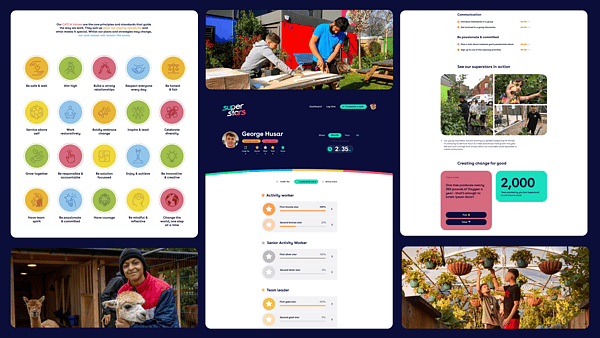
A robust Customer Relationship Management (CRM) system is vital for nurturing relationships with donors, volunteers, and partners, while also providing a lasting and valued stewardship journey.
According to a Gartner report, organisations that successfully integrate gamification into their CRM strategy can expect to see a 30% increase in user engagement. This engagement is crucial to maintaining strong relationships and driving tangible ROI through donations and committed giving. With this in mind:
Corporate partnerships can provide substantial value for both charities and businesses. Adding gamified activations into the mix strengthens these partnerships to be more attractive and effective for all involved:
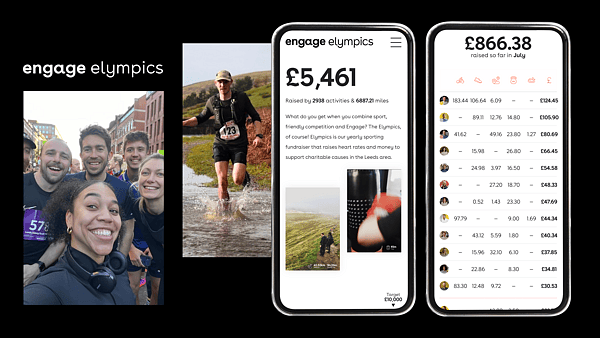
Real world example: Raising the bar for charity and our wellbeing with the Engage Elympics.
The Engage Elympics is our annual challenge to become the healthiest agency in the UK, all while raising money for our nominated charities.
As part of this initiative, different exercises are assigned varying values based on the effort involved. All activities are tracked using Strava, allowing us to collect valuable data which feeds into our monthly Elympics leaderboard. The more activity we complete, the more we donate - fueling friendly competition, (and a buzz around the office!).
Now in its 8th year, we’ve raised nearly £70,000, and our team is happier and healthier as a result!
Charities often struggle to convey their mission and impact effectively, at pace. Yet research by Tech for Good shows that non-profits that prioritise educational content centred around their mission and impact of work, receive 29% higher engagement compared to those that don’t. Here’s where gamification comes in; it offers the opportunity to deliver speedy experiences that can both educate and engage, for example:
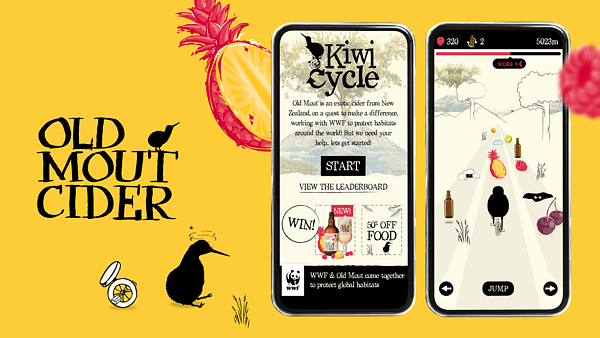
A real-world case study: Old Mout Cider’s CSR initiative engages audiences and drives impact
Old Mout Cider aimed to save New Zealand’s native kiwi bird from extinction with a CSR initiative focused on action, not just awareness. We partnered with Mitchells & Butlers to create “Kiwi Cycle,” a fun and impactful gamified activation.
Players helped a kiwi bird collect fruit and Old Mout bottles for recycling, with each bottle donating 1p to WWF. Integrated into the Mitchells & Butlers app, the gamified activation entertained and educated players on Old Mout’s sustainability efforts.
The campaign drove 40,000 app downloads, a 70% reward redemption rate, and raised over £10,000 for WWF, creating real conservation impact while boosting brand visibility, mobilising communities, and increasing footfall into Mitchell & Butlers pubs.
Want to see how it works? Play the demo here.
Keeping volunteers motivated and engaged is crucial for sustained success and to prevent fatigue. Track progress and gamify achievements in a way that keeps them moving:
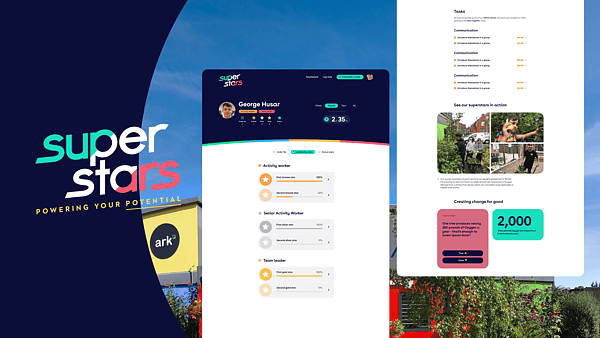
Incorporating gamification in the non-profit landscape can be transformative — for a range of departmental objectives — but it’s not without its challenges. Here’s how to address some of the most common:
The challenge: Limited budgets might make gamification seem like a big investment.
The solution: Gamification drives tangible, measurable results, making it a smart investment with clear ROI. By starting with a scalable solution, you can quickly demonstrate tangible outcomes like additional CRM opt-ins, higher conversions, donations - making the investment worthwhile and modelable from the outset.
The challenge: Over time, participants may lose interest if the gamified elements become repetitive or predictable.
The solution: Keep the experience fresh by rotating challenges, updating rewards, and introducing new elements periodically. For example, you could change the themes of challenges based on current events or seasons, or offer limited-time rewards that encourage ongoing participation. Variety is key to sustaining interest and avoiding burnout.
The challenge: Collecting data through these campaigns can raise privacy and compliance concerns.
The solution: It’s crucial to prioritise data protection. Make sure you’re transparent with participants about what data you collect and why. Comply with relevant privacy regulations such as GDPR by implementing robust security measures and providing clear, accessible privacy policies. Not so much a challenge when considered from the get-go.
Gamified activations and campaigns offer not-for-profits a fresh, strategic avenue to engage their audiences in a memorable, interactive way. Deepening connections while driving mission-aligned objectives.
And the impact of gamification is real. In fact, M2 Research found that effective gamification can lead to a 100%-150% increase in engagement metrics, with supporting studies suggesting a notable 22% boost in loyalty.
What does this mean for your non-profit? Well, if you can successfully integrate gamification into your strategy, you can expect to see more active and committed supporters, along with a measurable rise in donations and volunteer participation.
Ready to get started? You’ve come to the right place. At Engage, we work with a number of leading charities to help them win online. And yours could be next. Get in touch today to discover how we can help!
A gamified charity campaign uses game-like elements to encourage people to engage with a cause. This could include challenges, rewards, points, quizzes, leaderboards or donation milestones. Done well, it helps supporters understand the mission, take action and feel part of something bigger.
Charities can use gamification through fundraising leaderboards, donation challenges, interactive quizzes, digital badges, prize-based activations, corporate fitness challenges or progress-based campaigns. The best approach depends on the audience, the goal and how much effort you can realistically ask people to give.
Gamification can improve donor engagement by making the experience more interactive and less passive. Instead of asking someone to donate once and disappear, charities can invite them to complete challenges, track progress, earn rewards or share results. Much better than another lonely form sitting at the end of a landing page.
Yes, gamification can work well for CSR campaigns because it gives employees, customers or communities a clear way to take part. Challenges, progress tracking and donation triggers can make corporate fundraising feel more active, measurable and connected to the cause.
Measure a gamified fundraising campaign by looking at donations, sign-ups, CRM opt-ins, completion rates, repeat engagement, shares, reward redemptions and supporter feedback. The right metrics depend on the goal. If the campaign was built to grow your database, do not judge it only on donations. Context, annoyingly, matters.
19th October 2026
14th October 2026

6th October 2026

14th September 2026
